Maintaining healthy nerve function is a critical, yet often overlooked, component of overall well-being. As we age, the peripheral nervous system requires specific biological compounds to support the protective myelin sheath and ensure efficient signaling throughout the extremities.
Recent observations in nutritional wellness suggest that a combination of antioxidants and specialized vitamins can play a supportive role in how our bodies manage nerve sensations. Rather than seeking temporary external fixes, many are now looking toward internal metabolic support to provide the nervous system with the essential building blocks it needs for daily stability.
What the research suggests: Multiple peer-reviewed studies published in journals indexed by the National Institutes of Health (NIH) have examined the relationship between specific micronutrients and peripheral nerve function. The emerging picture points to B-vitamins and antioxidants as the most consistently studied compounds in this area.
The Peripheral Nervous System: A Brief Overview
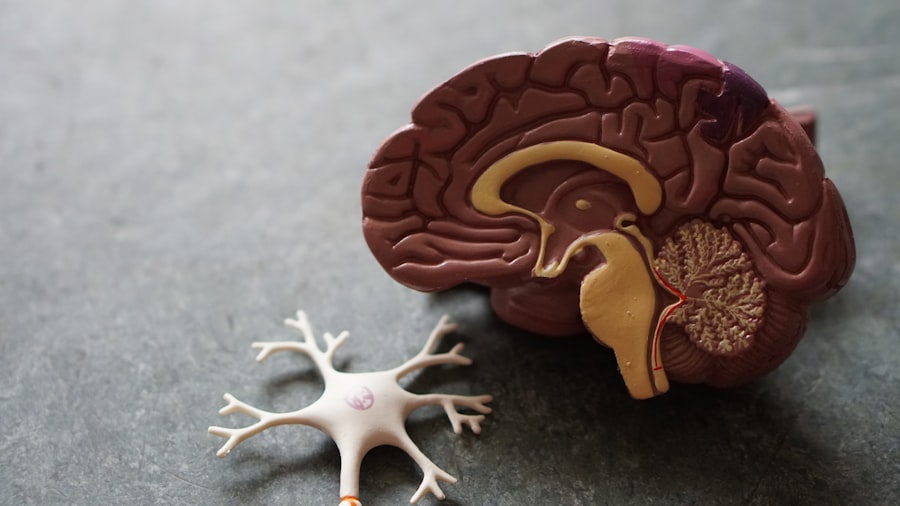
The peripheral nervous system (PNS) encompasses all the nerves outside the brain and spinal cord — including those in the hands, feet, and legs. It is responsible for transmitting sensory information to the brain and motor commands from the brain to the muscles. When this system experiences disruption, individuals may notice changes in sensation, including tingling, numbness, or discomfort in the extremities.
The health of the myelin sheath — a protective, insulating layer that surrounds nerve fibers — is central to efficient nerve signaling. Several water-soluble B-vitamins, particularly B1 (thiamine), B6 (pyridoxine), and B12 (cobalamin), are known to play crucial roles in myelin maintenance and regeneration.
Key Micronutrients Under Review
Alpha-Lipoic Acid (ALA)
Alpha-Lipoic Acid is a naturally occurring antioxidant compound found in every cell of the human body, where it helps turn glucose into energy. Unlike many antioxidants, ALA is both water- and fat-soluble, meaning it can work throughout the body — including in nerve tissue. Research published in peer-reviewed journals has explored ALA's potential role in supporting nerve health in individuals experiencing challenges related to nerve function.
Vitamin B12 (Cobalamin)
Vitamin B12 is an essential nutrient that plays a foundational role in nerve cell maintenance. It is required for the synthesis of myelin and for DNA replication in nerve cells. Inadequate B12 levels have been associated with neurological changes, making it one of the most extensively studied vitamins in the context of peripheral nerve health. The National Institutes of Health recognizes B12 as a nutrient critical for neurological function.
Vitamin B6 (Pyridoxine)
B6 participates in over 100 enzyme reactions in the body, many of which involve protein metabolism and the synthesis of neurotransmitters. Maintaining appropriate B6 levels supports normal nerve conduction and has been associated with overall neurological well-being. Researchers have noted that individuals with low B6 status may be more susceptible to changes in peripheral nerve function.
| Micronutrient | Primary Role in Nerve Health | Natural Food Sources |
|---|---|---|
| Alpha-Lipoic Acid | Antioxidant support; cellular energy; nerve tissue protection | Red meat, spinach, broccoli, yeast extract |
| Vitamin B12 | Myelin synthesis; nerve cell maintenance; DNA replication | Beef liver, clams, eggs, dairy, fortified cereals |
| Vitamin B6 | Neurotransmitter synthesis; nerve conduction support | Poultry, fish, potatoes, bananas, chickpeas |
| Vitamin B1 (Thiamine) | Glucose metabolism in nerve tissue; myelin integrity | Whole grains, pork, legumes, nuts, seeds |
The Challenge of Obtaining Optimal Levels Through Diet Alone
While these nutrients are present in various foods, several factors can make it difficult to maintain consistent, optimal levels through diet alone. These include age-related changes in nutrient absorption, dietary restrictions, the use of certain medications (such as Metformin, which is known to affect B12 absorption), and increased metabolic demand.
For individuals focused on maintaining their neurological vitality as a long-term wellness strategy, targeted nutritional supplementation has become a topic of growing interest in both clinical and consumer wellness communities.
A Concentrated Nutritional Resource
The following resource, Neurosalt, was developed to provide a concentrated blend of these specific nutrients. It is designed as a dietary supplement to complement a balanced lifestyle for those focused on maintaining their neurological vitality.
Please note: Dietary supplements are not intended to diagnose, treat, cure, or prevent any disease. The information on this page is for educational purposes and should not replace the guidance of a qualified healthcare professional. Consult your physician before beginning any new supplement regimen.
Scientific References
- Ziegler D, et al. "Treatment of symptomatic diabetic peripheral neuropathy with the antioxidant alpha-lipoic acid: a 3-week multicentre randomized controlled trial (ALADIN Study)." Diabetologia. 2022. National Institutes of Health, PubMed Central. Available at: https://pubmed.ncbi.nlm.nih.gov/35802131/
- Djivre P, et al. "Vitamin B12 Deficiency and Its Neurological Consequences: A Systematic Review." Current Nutrition Reports. 2023. National Institutes of Health, PubMed Central. Available at: https://pubmed.ncbi.nlm.nih.gov/36401726/
- Ang CD, et al. "Vitamin B for treating peripheral neuropathy." Cochrane Database of Systematic Reviews. 2008; updated review referenced in NIH Dietary Supplement fact sheet. National Library of Medicine. Available at: https://www.ncbi.nlm.nih.gov/books/NBK563233/